Agree the test
We discuss the requested analysis and confirm its cost, expected reporting time and sample instructions before testing.
For patients & families
If your doctor recommends molecular testing, Epicheck helps organise the requested analysis, sample transfer and delivery of the report. The starting point is your diagnosis and the clinical question.

We discuss the requested analysis and confirm its cost, expected reporting time and sample instructions before testing.
Stored tissue from a biopsy or surgery may be suitable after assessment against the selected test requirements. Inherited BRCA1/2 testing uses a separate blood sample.
The report is delivered to your treating doctor, who explains what the findings may mean for treatment and follow-up.
The sample
The specimen type is determined by the requested test.
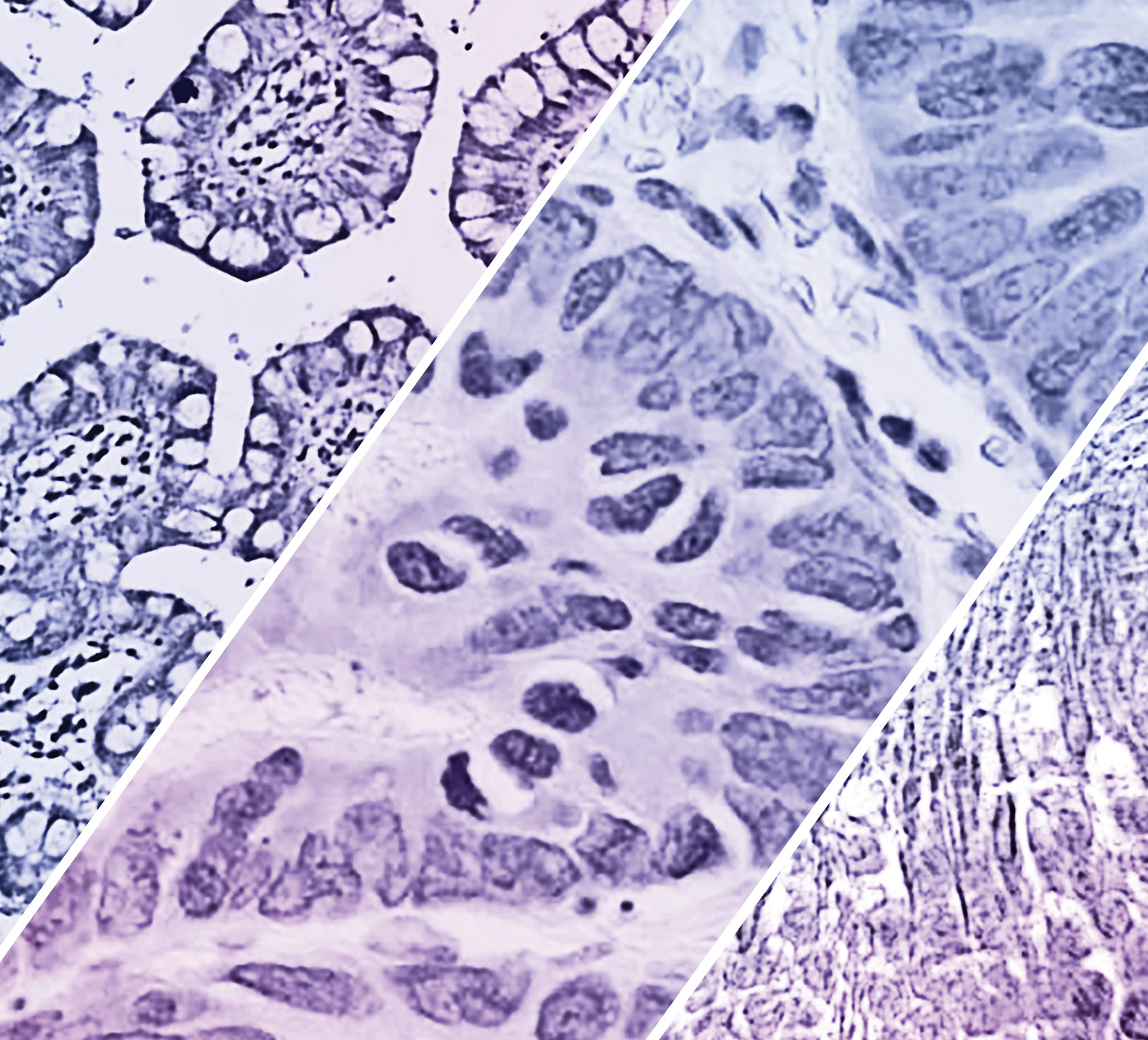
Tumour tissue
Formalin-fixed, paraffin-embedded tissue (FFPE) from a biopsy or operation may be suitable. A pathologist assesses the proportion of tumour cells and selects the region for testing. The quantity and quality must meet the chosen assay’s requirements.
Commonly used for tumour NGS, tumour BRCA1/2 and targeted PCR testing.
Blood for germline BRCA1/2 testing
Germline BRCA1/2 testing examines inherited variants in a blood sample. It can inform cancer-risk assessment and medical management. Discuss the implications for you and your family with your doctor and a genetic counsellor.
Collection and transport requirements are confirmed before the blood draw.
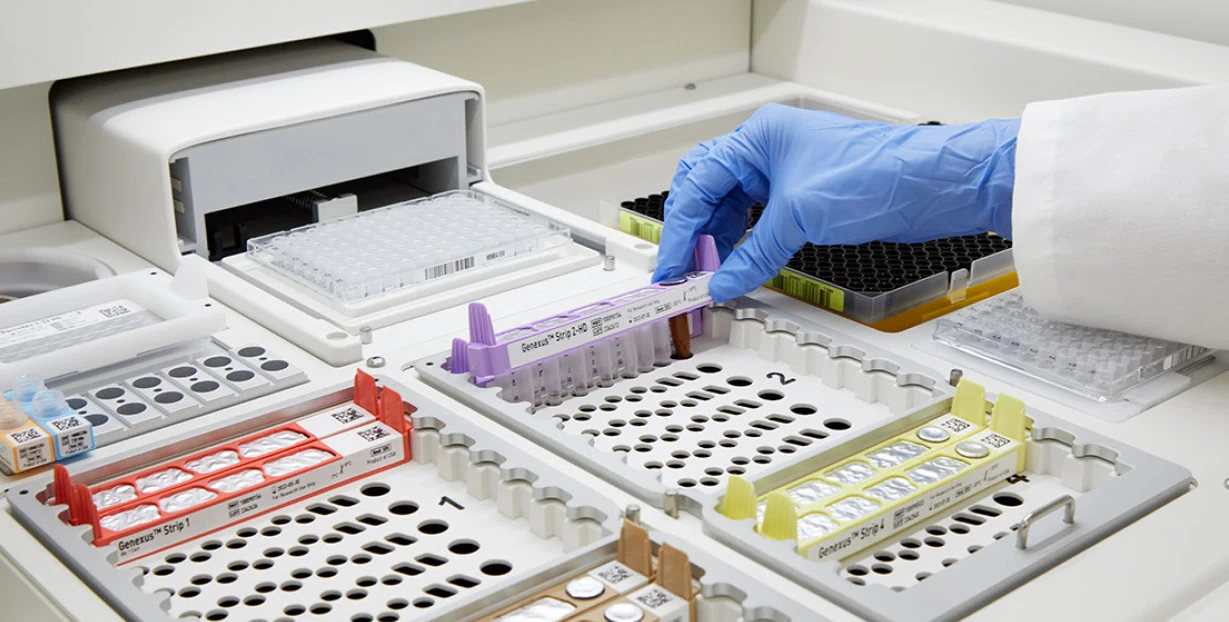
Plasma / liquid biopsy
In selected clinical situations, circulating tumour DNA (ctDNA) can be examined in blood plasma. Suitability depends on the clinical question and chosen assay. Epicheck confirms collection, processing and transport requirements with the performing laboratory before the blood draw.
A blood sample cannot automatically replace tumour tissue. The selected assay must be validated for plasma; if it does not provide an informative result, your doctor may still recommend tissue testing.
Your results
The report includes the findings, genes and genetic changes examined, interpretation and limitations of the method. It is reviewed alongside your histology, diagnosis and treatment history.
Epicheck coordinates report delivery and, where needed, helps your doctor clarify interpretation with the performing laboratory. Your treating doctor explains the implications for treatment and follow-up.
Not always. Stored tissue may be sufficient if its quantity and quality meet the selected test requirements. Your treating doctor decides whether a new biopsy is needed after assessing the existing material and clinical situation.
The cost and reporting time depend on the selected test and performing laboratory. Before testing begins, we provide the exact quotation and expected reporting time. The quotation specifies the analysis, sample preparation and interpretation included, plus any collection or transport charges. We clarify when the reporting period starts and whether sample review or additional preparation could affect it.
Tumour profiling does not replace inherited-risk testing. Some findings may prompt an additional germline test. To assess inherited BRCA1/2 risk, your doctor may recommend a separate test and genetic counselling.
Talk to Epicheck
Tell us the test you need or the clinical question you want to address. We will help clarify the analysis, specimen, cost and expected reporting time.
Contact the team